
PhD researchers
Shaping the future


In November 2024, Trinity College and the University of Cambridge launched a new £48 million programme to create fully funded PhDs. Collegiate Cambridge is seeking the brightest minds from across the world to conduct ground-breaking research, creating the next generation of pioneering treatments, technologies and services. You can read more about the scheme and its impact here.

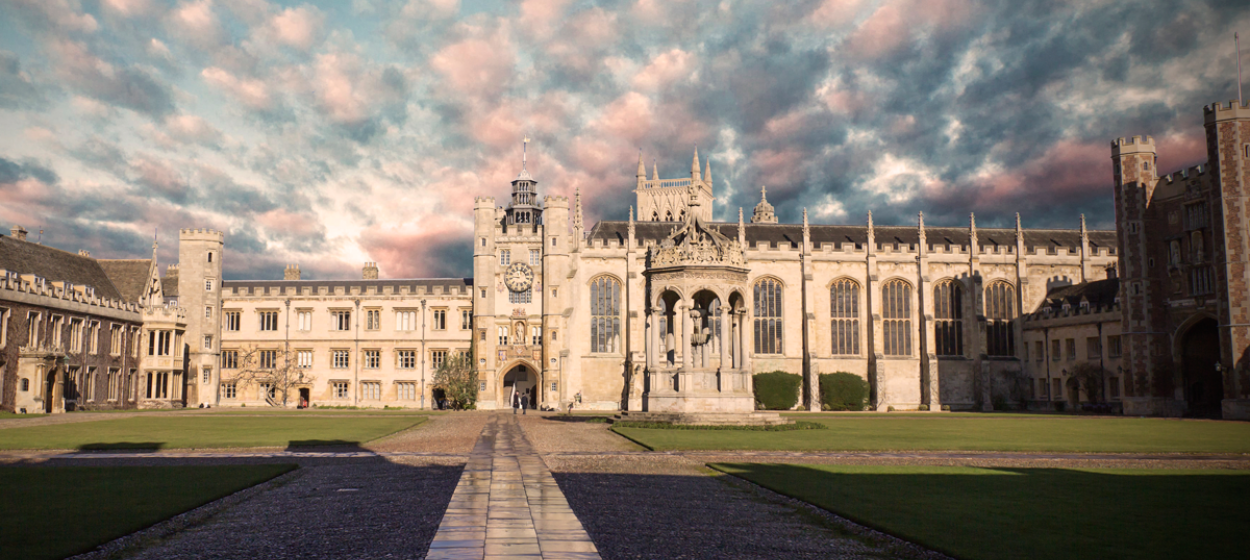
In honour of this groundbreaking funding commitment, we meet current Trinity PhD students and learn how they are helping to advance knowledge and develop innovative solutions to pressing problems.
Woody Zhidong Zhang (2025)
PhD Student. Somatic Evolution Monitoring (SEM) lab

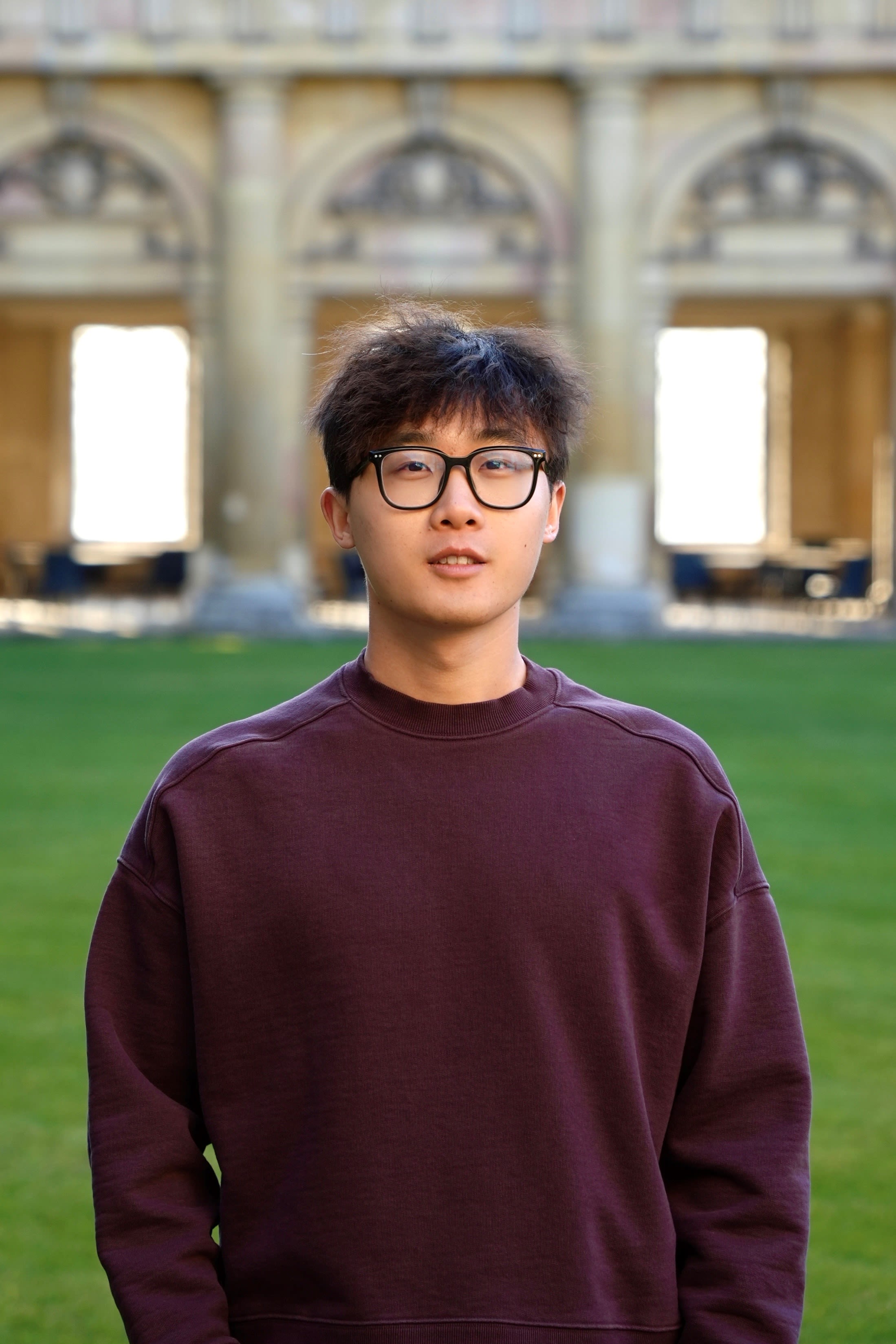
I grew up in Hubei, China – a region with one of the highest rates of cancer incidence and mortality in the country. Witnessing the impact of cancer on my family and community motivated me to become a biomedical scientist focused on improving cancer care.
I’m now a second-year PhD student in Oncology at Trinity College, working to understand how cancer evolves over time and how we can track that evolution non-invasively. Just like species evolve through natural selection, the 30 trillion cells in our bodies accumulate mutations and undergo clonal selection as we age. Some of these mutations are harmless, but others occur in cancer-driver genes and can lead to disease.
My research focuses on lung and oesophageal cancers. I use non-invasive samples, such as blood
(circulating tumour DNA), and a novel device called the capsule sponge – to study how cancer evolves from the earliest stages. I’m developing novel computational methods to sensitively detect traces of tumour evolution in these samples. By doing so, I hope to uncover when and how harmful mutations arise and ultimately develop biomarkers to identify individuals at high risk of cancer before symptoms appear. My aim is to make early detection more accessible, giving people the chance to treat cancer while it’s still curable.
Bjorn Fraser Olaisen (2023)
Krishnan-Ang Scholar and PhD Student in Epigenetics, Ageing, and Rejuvenation

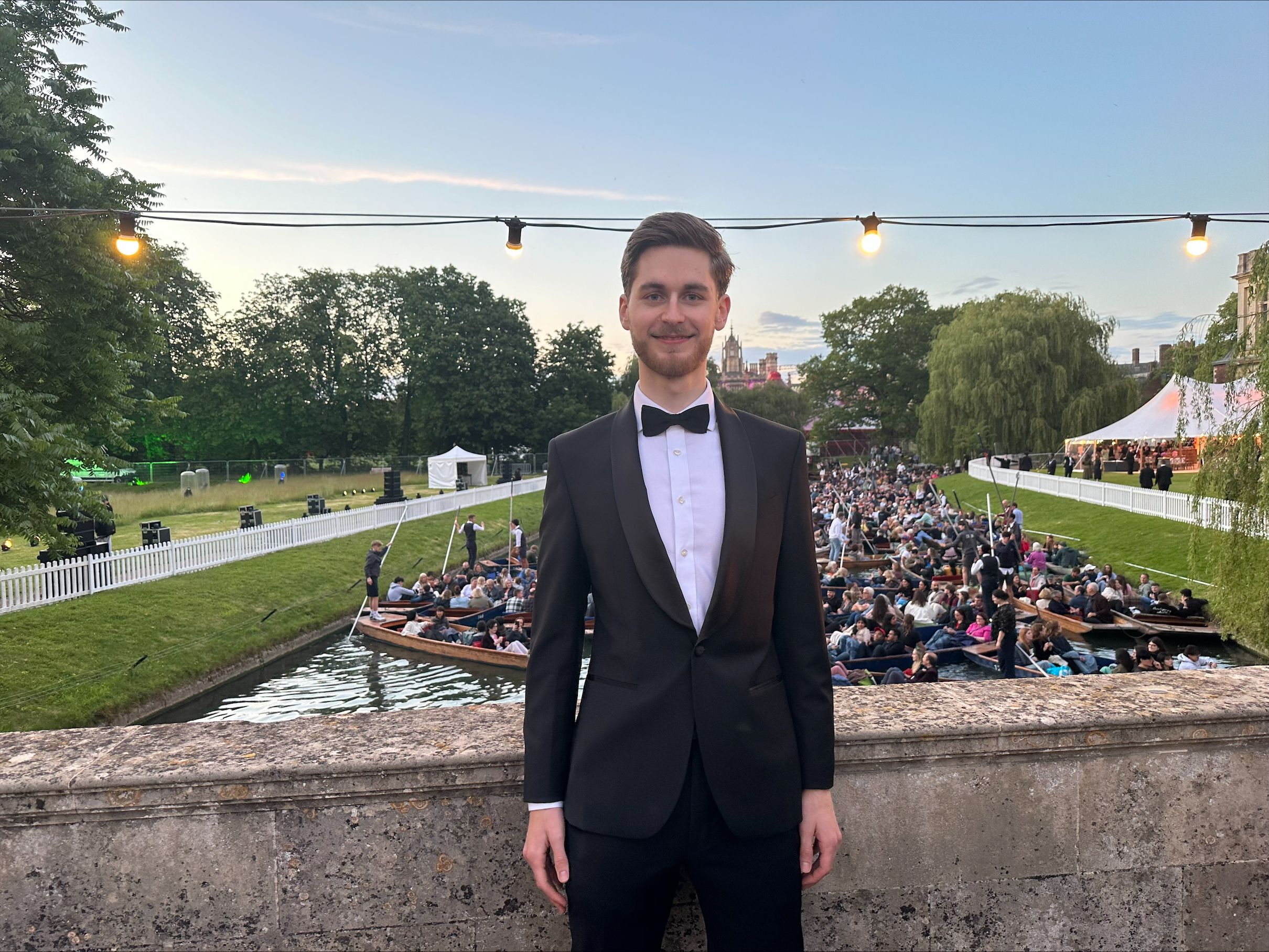
I dedicated my career to ageing research when I read that many scientists reasoned that ageing would be reversed within a few decades. I realised the need to develop novel technologies, rather than single drugs, to reverse the thousands of age-related changes
that accumulate in cells, causing decline in organ function and diseases. I work with Prof Sir Shankar Balasubramanian and the rejuvenation company
Altos Labs.
The epigenome is the collection of DNA-associated molecules and processes that control the activity
of genes and thereby cell function and identity. I am developing an epigenetic profiling method to enable scientists to obtain deeper insights into how to counteract the drastic epigenetic changes that contribute to diseases, ageing, and other biological processes. I also work to uncover novel mechanisms that drive ageing and ways to improve cellular rejuvenation strategies.
I am seeking philanthropic support to do lab experiments and build a Cambridge-based company to develop a novel therapeutic strategy that reverses ageing, to broadly reverse diseases and extend our healthspans and lifespans. Slowing ageing by just one year is worth $38 trillion (Scott et al., 2021, Nature Aging), which could be spent on other global problems.
Simone Castagno(2023)
PhD student in Surgery and Machine Learning

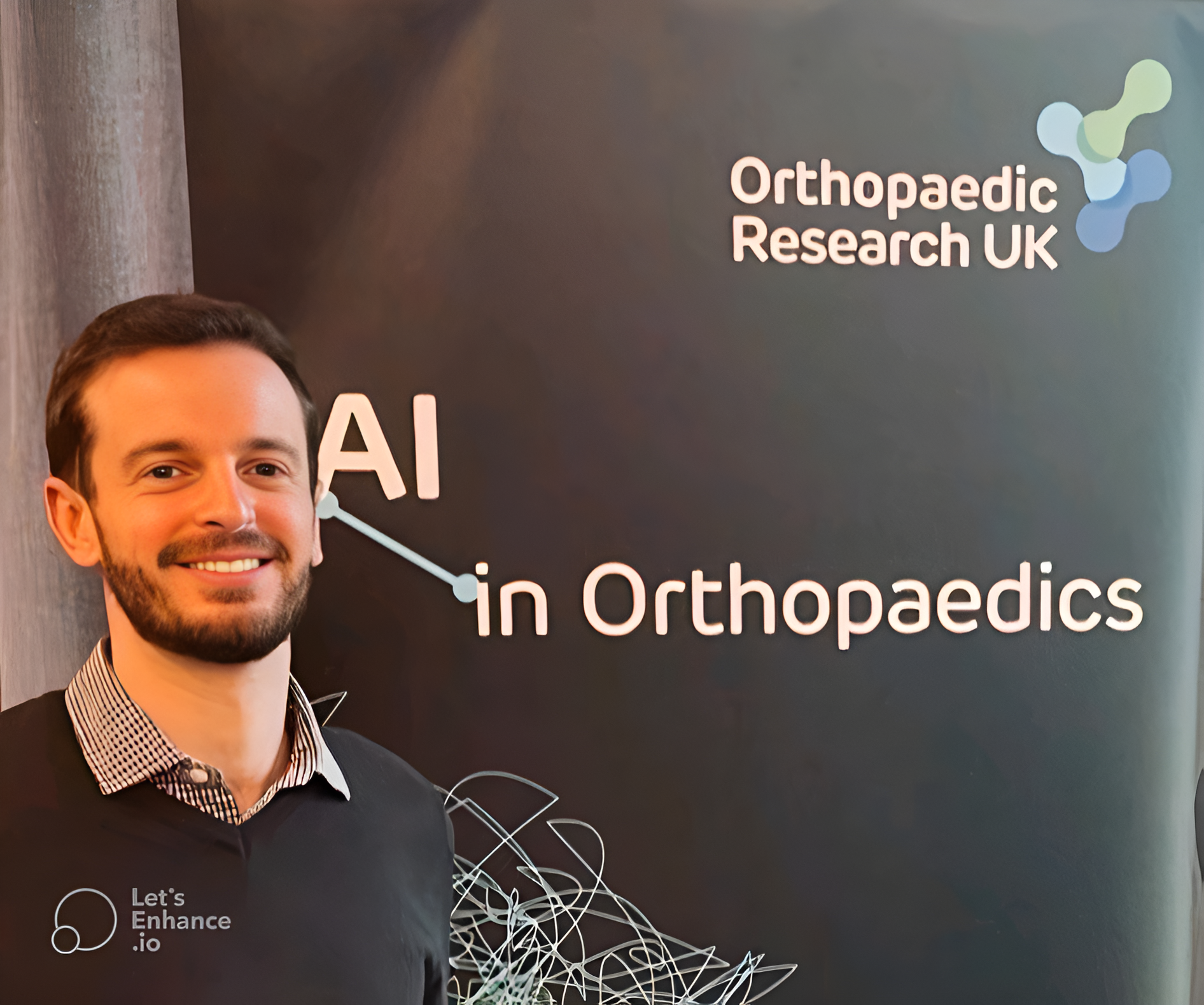
My research explores how artificial intelligence (AI) can help us better understand and manage musculoskeletal conditions, especially osteoarthritis (OA).
I use AI techniques, specifically machine learning,
to analyse large amounts of health data. This includes information from clinic appointments, medical images like X-rays or MRIs, and data
from wearable sensors that track movement. By processing this complex information, we aim to train algorithms to spot the earliest signs of OA, predict how the disease might worsen for an individual patient, and even identify different types of OA that might need different treatments.
The main idea is to move away from simply reacting to symptoms towards a more proactive approach. We want to identify those at high risk or in the very early stages of OA so we can intervene before serious joint damage happens, tailoring care to each person’s specific needs.
Ultimately, my goal is to create practical AI tools that clinicians can easily use in their daily practice. This could lead to earlier diagnoses, more effective treatments, improved patient quality of life, and potentially reduce the substantial impact OA and similar conditions have on individuals and healthcare systems.
This work, supervised by Professor Andrew McCaskie, would not have been possible without the generous funding from the LV Freedman Studentship in Medical Sciences and the ORUK/Versus Arthritis AI in MSK Research Fellowship.
Muzi Xu (2021)
PhD student in Engineering

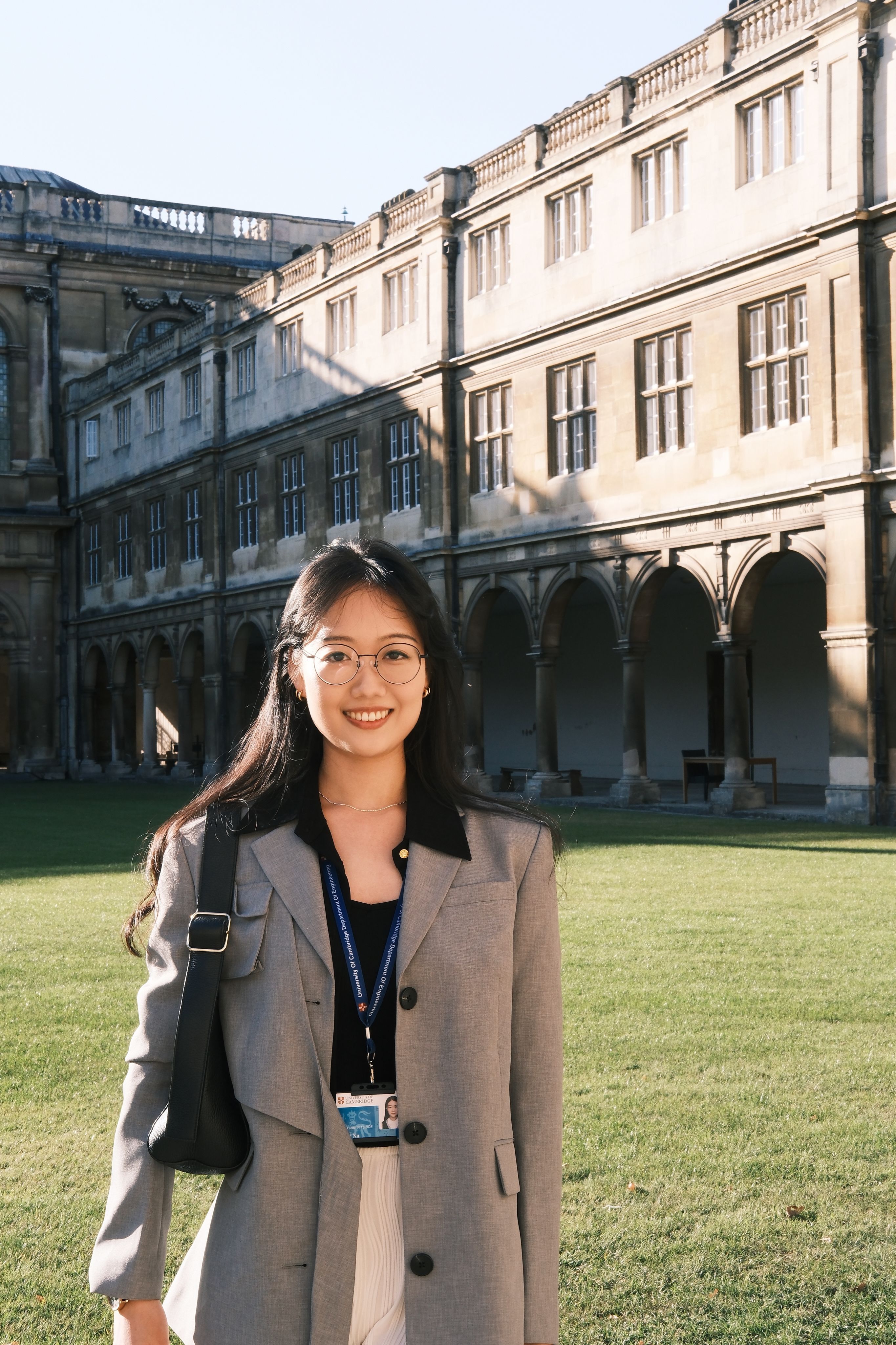
My research highlights my strong interest in
flexible bioelectronics, which I arrived at through an interdisciplinary academic background.
Omnidirectional strain sensing and direction recognition are key features of natural human tactile sense and are essential for addressing the complex and dynamic requirements of the real-world we inhabit. However, most existing machine sensors are limited to uniaxial strain sensing, severely restricting their performance in the multiaxial environments, which also limits their applications.
To address this issue, I developed a biomimetic stretchable device that enables simultaneous isotropic omnidirectional hypersensitive strain sensing and direction recognition, by mimicking the human fingers from three dimensions.
This work was published in Advanced Materials and featured on the front cover. The design principles can be easily adapted for various applications by modifying materials and dimensions to meet specific needs. In the future, I plan to integrate this sensor into prosthetics and robotics, where its ability to detect and respond to complex strain and force patterns could significantly enhance functionality.
Ultimately, I hope my research will contribute to advancing dynamic, adaptive strain and force sensing in healthcare monitoring, human motion detection, and human-machine interfaces.
Matt Blacker (2021)
PhD student in Applied Maths and Theoretical Physics

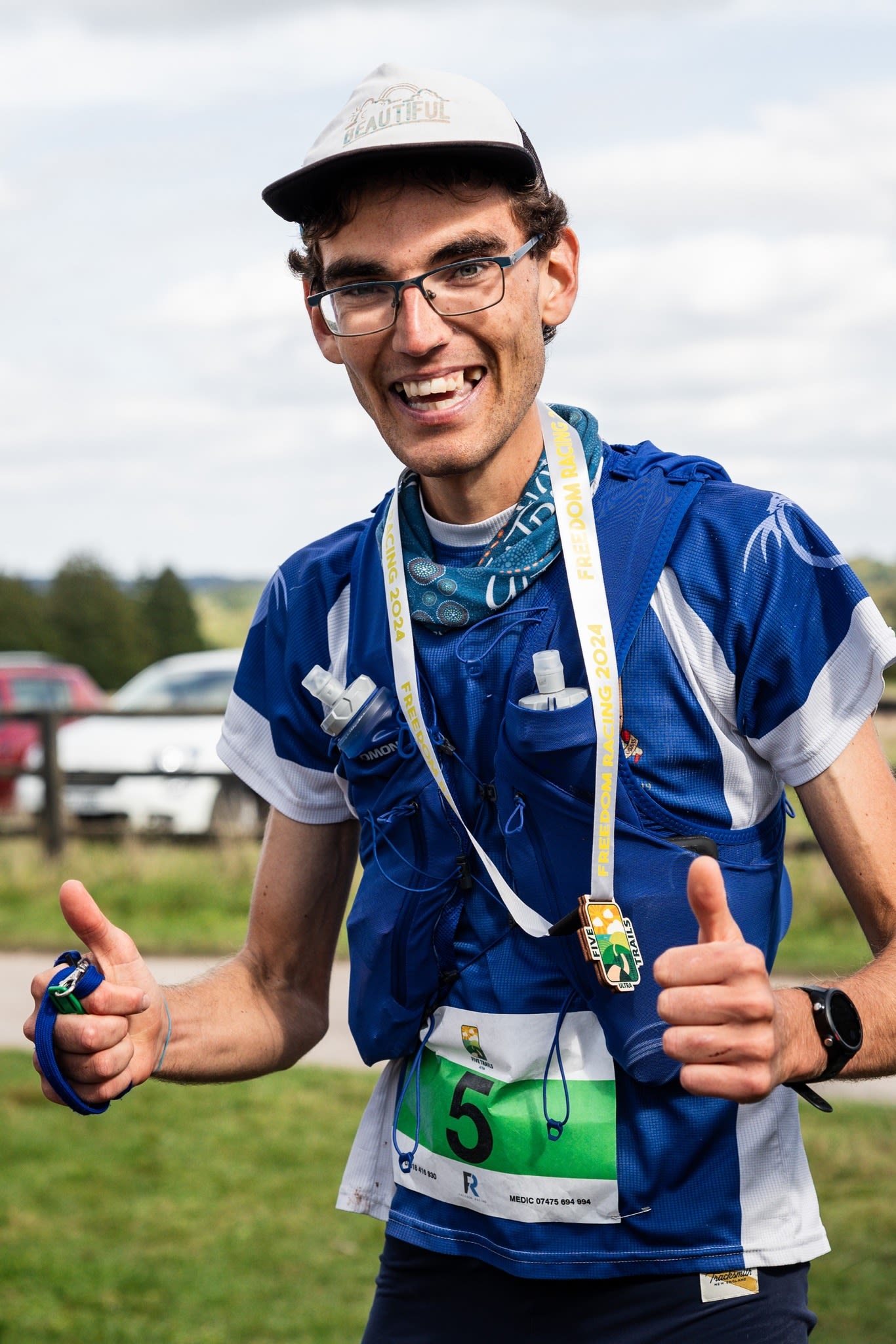
I’m a theoretical physicist, so my goal is to write down mathematical rules describing the universe. We have a really good way of describing how small, energetic things like electrons work, called quantum theory. We also have a really good way of describing how big, low energy things stars work due to gravity, called general relativity. The problem is that when you try and make these theories meet at an energy somewhere in the middle, they each start spitting out infinities that we can’t really control.
But is there a time where big things, like stars, start to behave like energetic things, like electrons? Well, it turns out as a star gets heavier and its gravity
gets stronger, it pulls in more stuff, until it eventually collapses under its own weight to become this really dense object that sucks in even light. You’ve probably heard of these ‘black holes’. Stephen Hawking figured out that a lot of energy is thrown in (and out) of these black holes, and so we can use our rules of quantum theory to talk about them!
n my research, I’m looking at quantum effects
in black holes in two different ways. Firstly, if you appropriately tune properties of these black holes like mass and charge, the surrounding space and time can be deformed in various ways, which I’m trying to count (this is called their entropy). Secondly, all the possible ways of configuring the inside of the black hole can be encoded on a slice of distant space (this is called holography). Better understanding each of these quantities will take us closer to building a bigger theory that includes both quantum theory and gravity.
Juan Carlos Rueda Silva (2021)
PhD student in Genetics

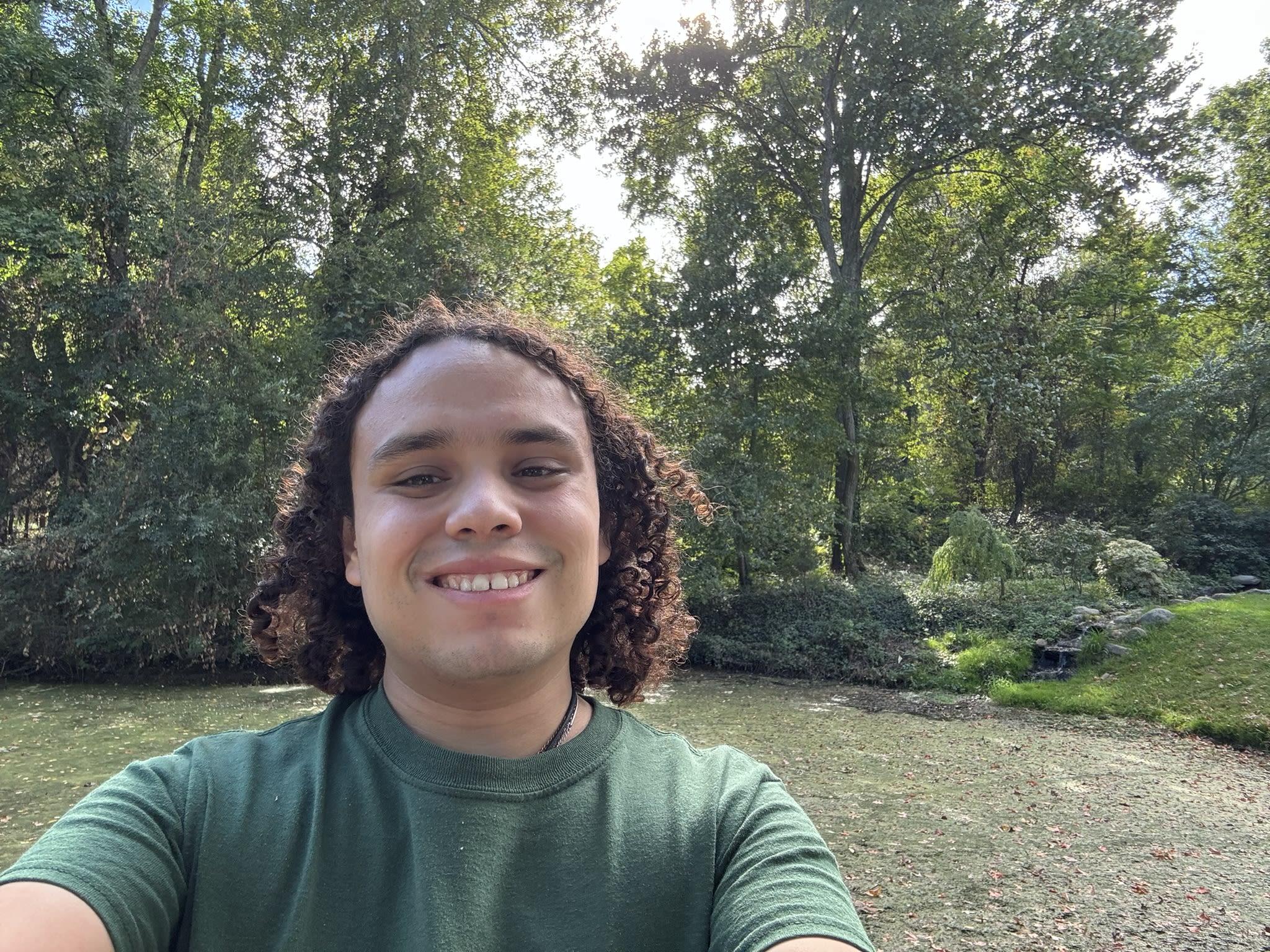
Have you ever wondered if the experiences and environment in which your ancestors lived can have an impact on your own life? Did you know that people whose parents or even grandparents experienced famine during their lifetimes have different propensities to some diseases?
What is written in the genome is only part of what defines us. Genes can be turned on and off in response to environmental stimuli. So, how can specific genes be turned off and others on? Within a cell the DNA is not on its own, instead it’s wrapped around a special type of protein called histones, which can be modified to turn the genes ‘on’ or ‘off’. Every time a cell divides into two cells, they need to make a copy of their DNA.
Recently, it has been discovered that the same machinery used to copy the DNA is also responsible for distributing these modified histones between the two new cells, keeping the genes ‘on’ or ‘off’.
But is this machinery also responsible for allowing the same pattern to pass through generations? That is the question I’m working to answer. Using a special type of worm, called C. elegans, my lab has made CRISPR-Cas9 mutant strains which don’t allow modified histones to be passed from one cell to another. I grow these worms in multiple conditions and compare them with unmutated worms across multiple generations. I also look at the position and number of modified histones across the genome, comparing them with unmutated worms to look for changes in particular genes.
With this I aim to gain some insight into the mechanisms behind epigenetic inheritance
Mohammad Zaid (2023)
Krishnan-Ang Scholar and PhD student in Quantum Physics, Engineering and Nanotechnology

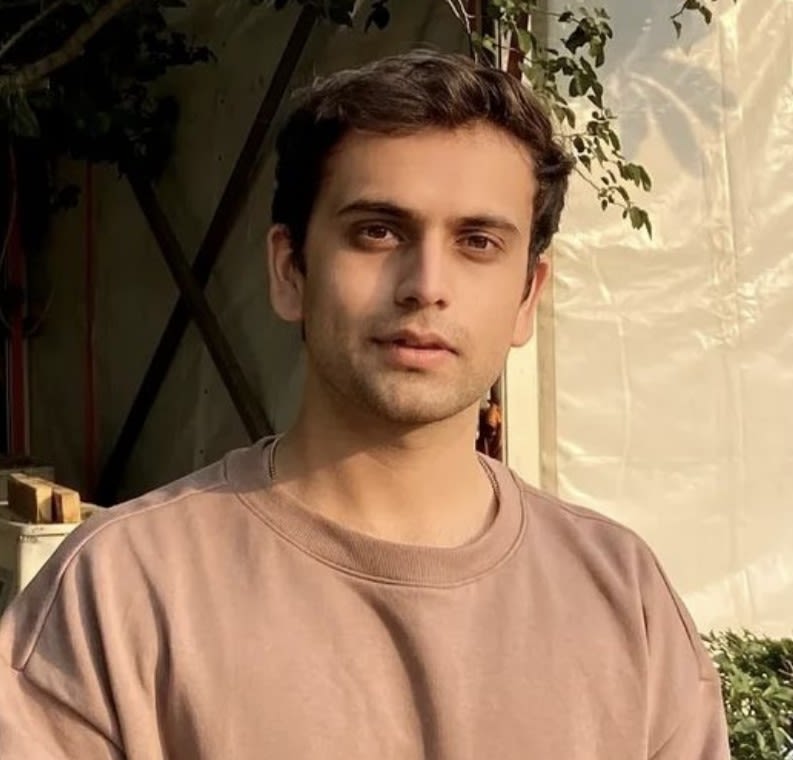
My academic interests lie at the intersection of photonics, nanotechnology, and Micro-Electro-Mechanical Systems/Nano-Electro-Mechanical-Systems, with a focus on advancing diagnostic technologies. My research is centred on the development of photoacoustic ultrasound sensors for high-resolution biomedical imaging.
The core innovation lies in combining photoacoustic imaging - a modality that leverages the optical absorption properties of tissue to generate ultrasound waves. By tailoring the mechanical, electrical, and acoustic properties of the Piezoelectric Micromachine Ultrasource Transducers (PMUTS) through geometric, material, and electrode-level optimisation, I aim
to overcome longstanding limitations in existing imaging systems.
My current work includes the design, fabrication and optimisation of multi-generation PMUT prototypes. The broader goal is to realise a fully integrated photoacoustic imaging sensing ensemble. Such a system has the potential to transform early-stage cancer diagnostics, vascular and neurological imaging, and point-of-care screening, especially in resource-limited settings where conventional imaging infrastructure is unavailable or impractical. It aspires to deliver both foundational insight and translational impact in next-generation medical diagnostics.
The Krishnan-Ang PhD Studentships
Two of the researchers featured in this article are recipients of The Krishnan-Ang PhD Studentships, generously supported by Tzo Tze Ang (1997) and Eashwar Krishnan (1996). Learn more about the Krishnan-Ang Foundation: www.krishnanang.org.
The College is grateful for all studentship opportunities made possible through philanthropy.
If you would like to discover more, please get in touch: alumni@trin.cam.ac.uk.

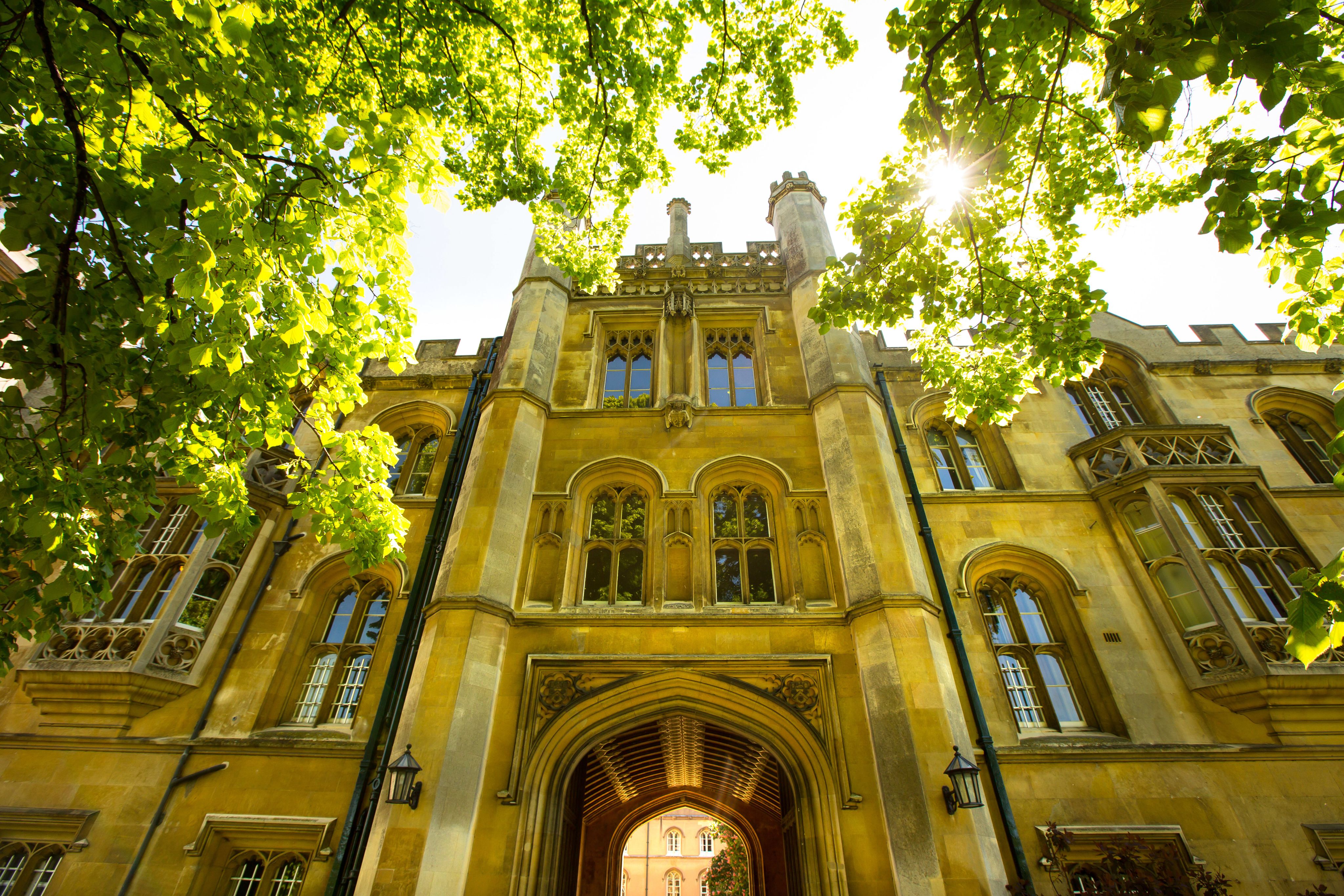
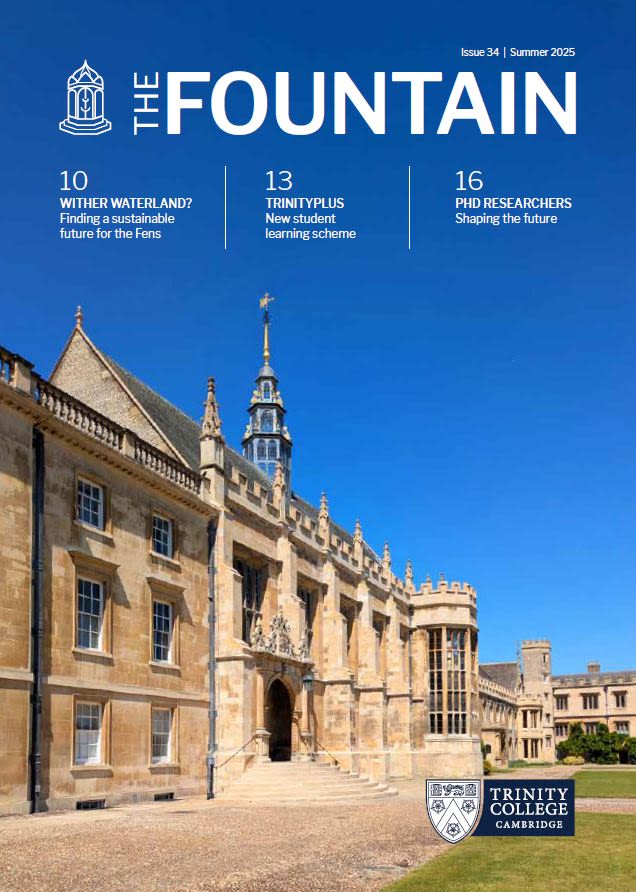
This article is included in the latest edition of The Fountain magazine, Issue 34 Summer 2025.

 Built with Shorthand